Lesson B - The EU Member States
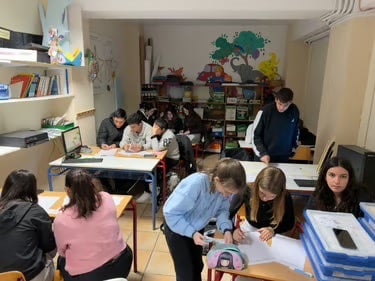
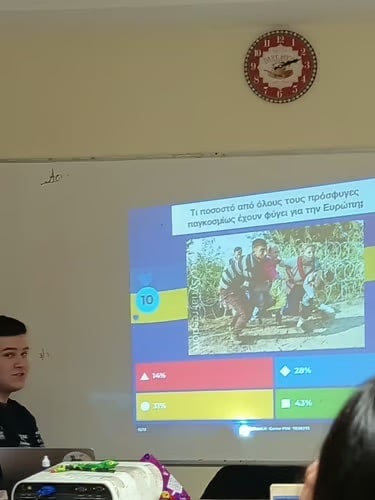
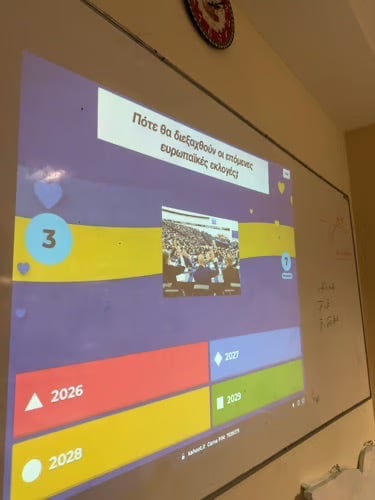
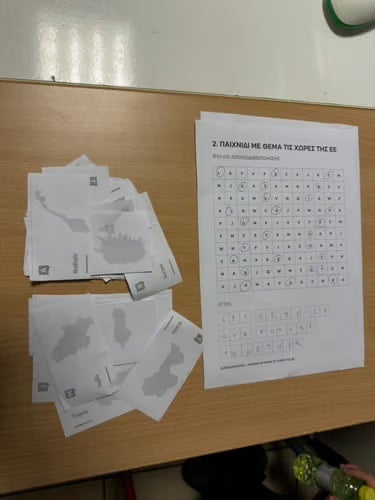
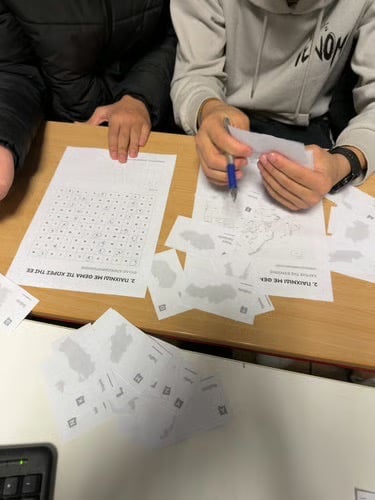
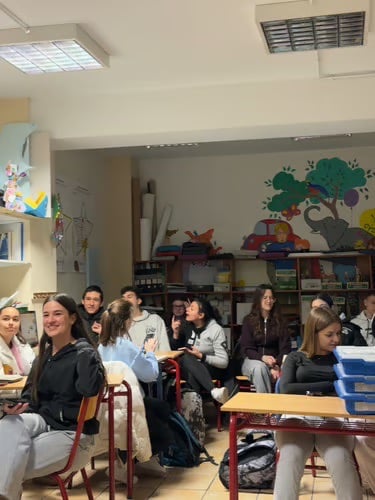
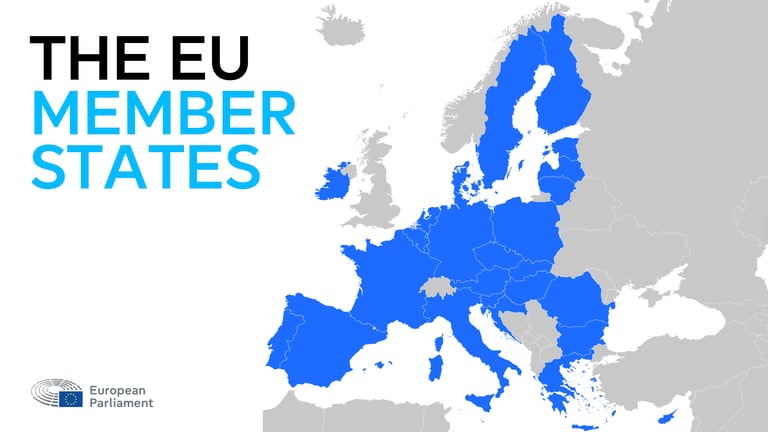
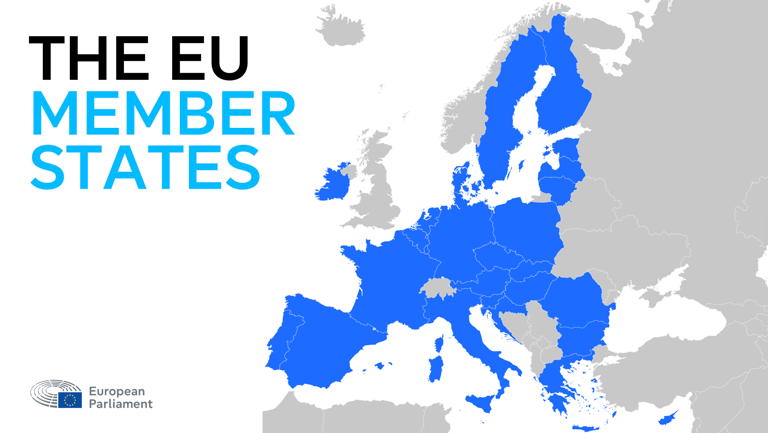
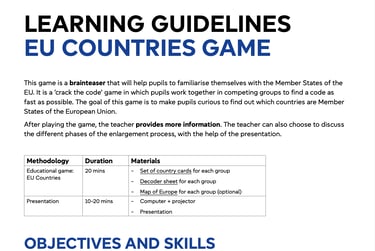
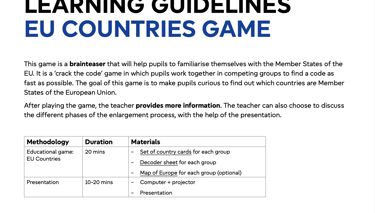
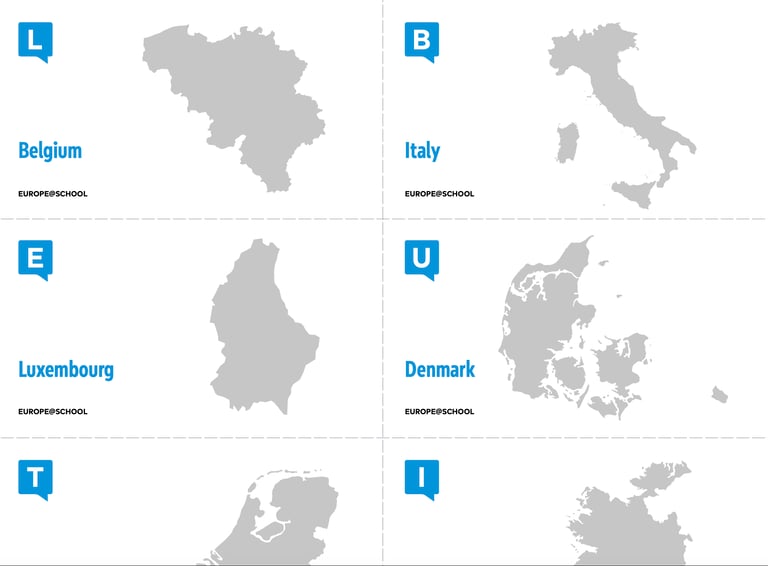
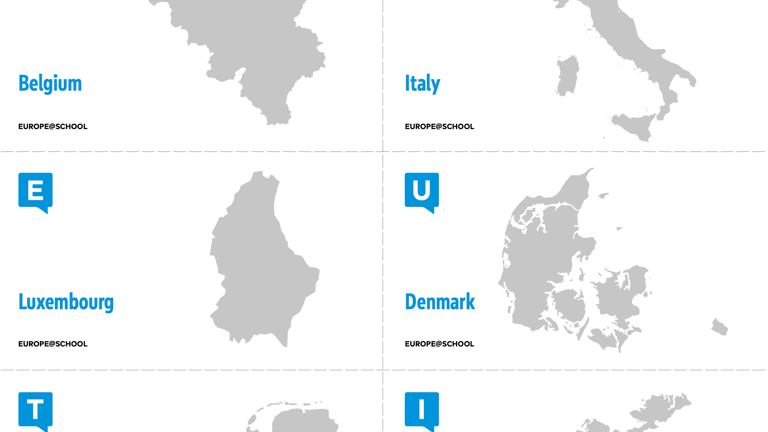
In the first part of our lesson, students dove into an interactive and competitive workshop designed to test their geographical and political knowledge of Europe! Working in small teams, the class participated in a fast-paced game using a set of 40 country cards and a map of Europe. Their mission was to correctly identify the 27 countries that make up the European Union. But there was a clever twist: each correct country card contained a specific letter. By filtering out the non-EU countries and plotting their letters onto a special decoder sheet, the teams raced against each other to crack a secret code. The first group to uncover the hidden English sentence—"LET US BUILD OUR FUTURE TOGETHER"—won the game, making for a highly engaging and collaborative start to the topic.
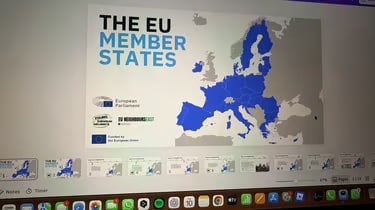
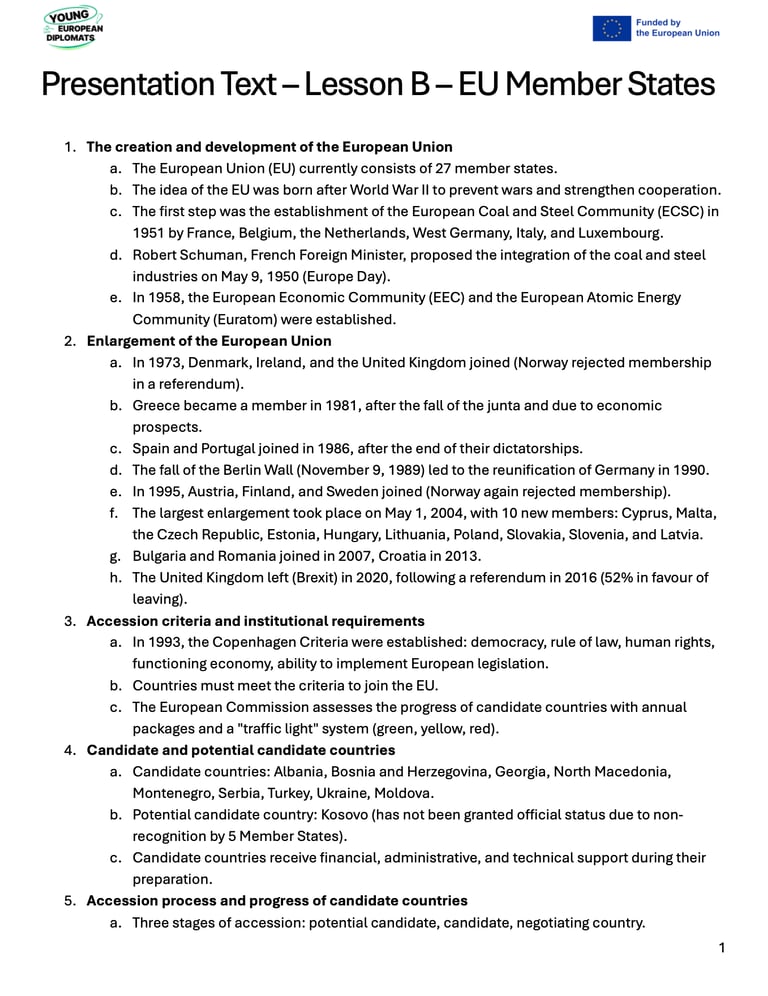
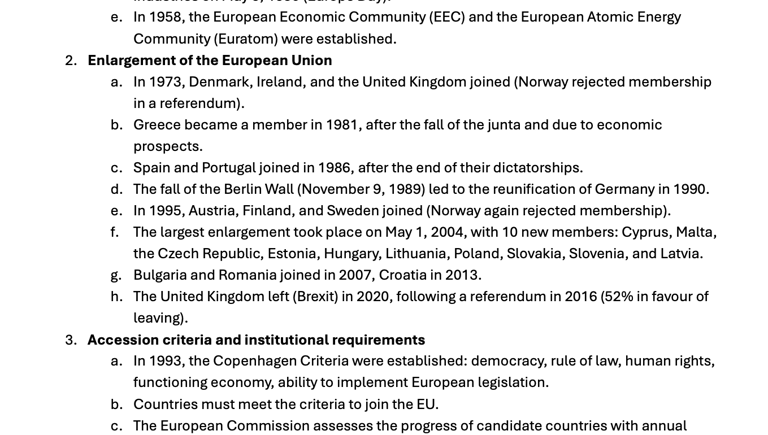
Following the interactive game, the class transitioned into a comprehensive presentation tracing the historical journey of EU enlargement. Students learned how the European project began with just six founding countries in 1951: Belgium, France, Germany, Italy, Luxembourg, and the Netherlands. We explored key historical milestones, such as the fall of the Berlin Wall in 1989, which opened the door for newly emerging Eastern European democracies to join the union. The presentation also detailed the strict conditions countries must meet to qualify for accession, such as respecting the rule of law and maintaining a well-functioning market economy. By charting successive enlargements—including the massive 2004 addition of ten new countries and the unprecedented departure of the United Kingdom in 2020—students gained a deep understanding of how the EU reached its current 27 Member States. The lesson concluded with a look to the future, discussing the nine official candidate countries currently preparing for potential membership. As an outcome, students walked away with a solid grasp of the history, geography, and continuous evolution of the European Union.
Download Lesson Ressources
Credits
The content used in this lesson was taken from various platforms listed below. This content is used for educational purposes and has been edited according to the needs of the Young European Diplomats Programme.
Educational Material & Lesson Plans: Europe@Schools: Active Lessons / Lesson Resources from the European Parliament's Youth Hub
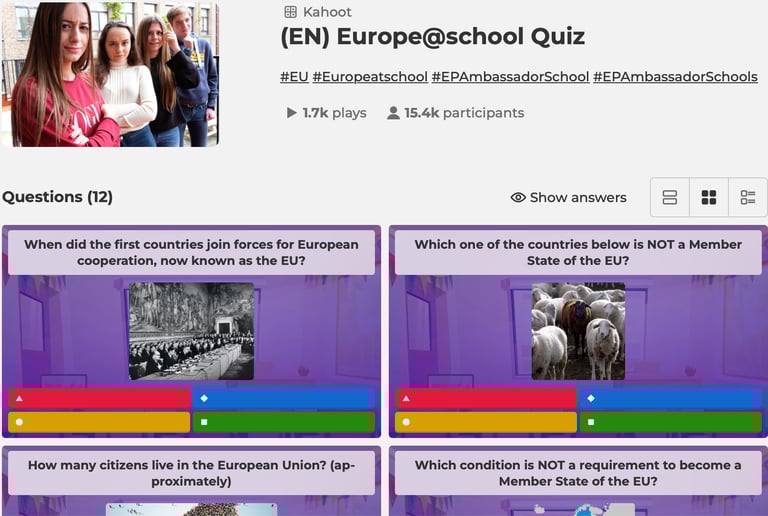
Educational Online Quiz: EPAS Network in the UK
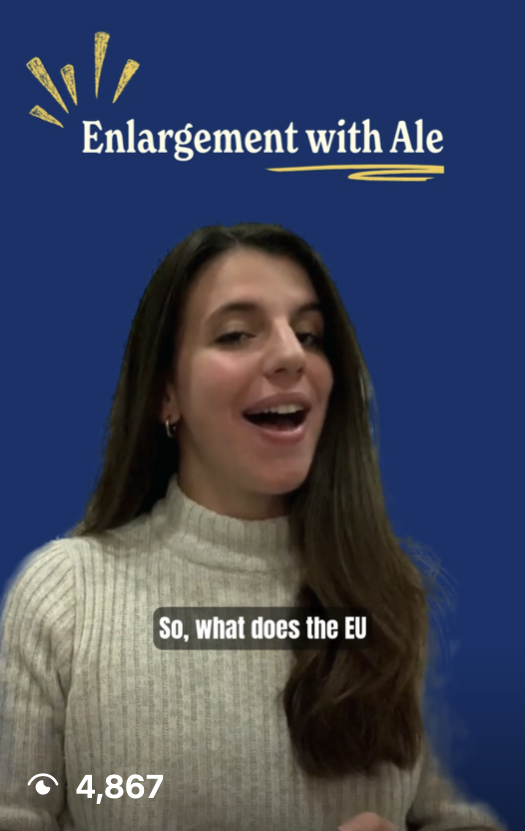
Video: Enlargement w/ Ale Series: EU NEIGHBOURS EAST
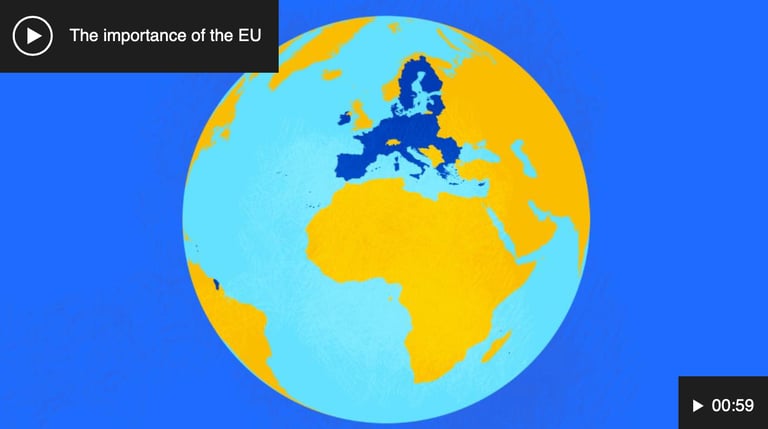
Videos (Investment, Growth, Choice & The EU and the World): European Parliament
Young European Diplomats © 2026
Young European Diplomats empowers young people to drive change and to become active citizens.